What should I do if a tree falls on my house?
Get everyone out and stay clear of the tree and any wires. Call emergency services if anyone is hurt or lines are down. Take photos, then ask a provider about removal.
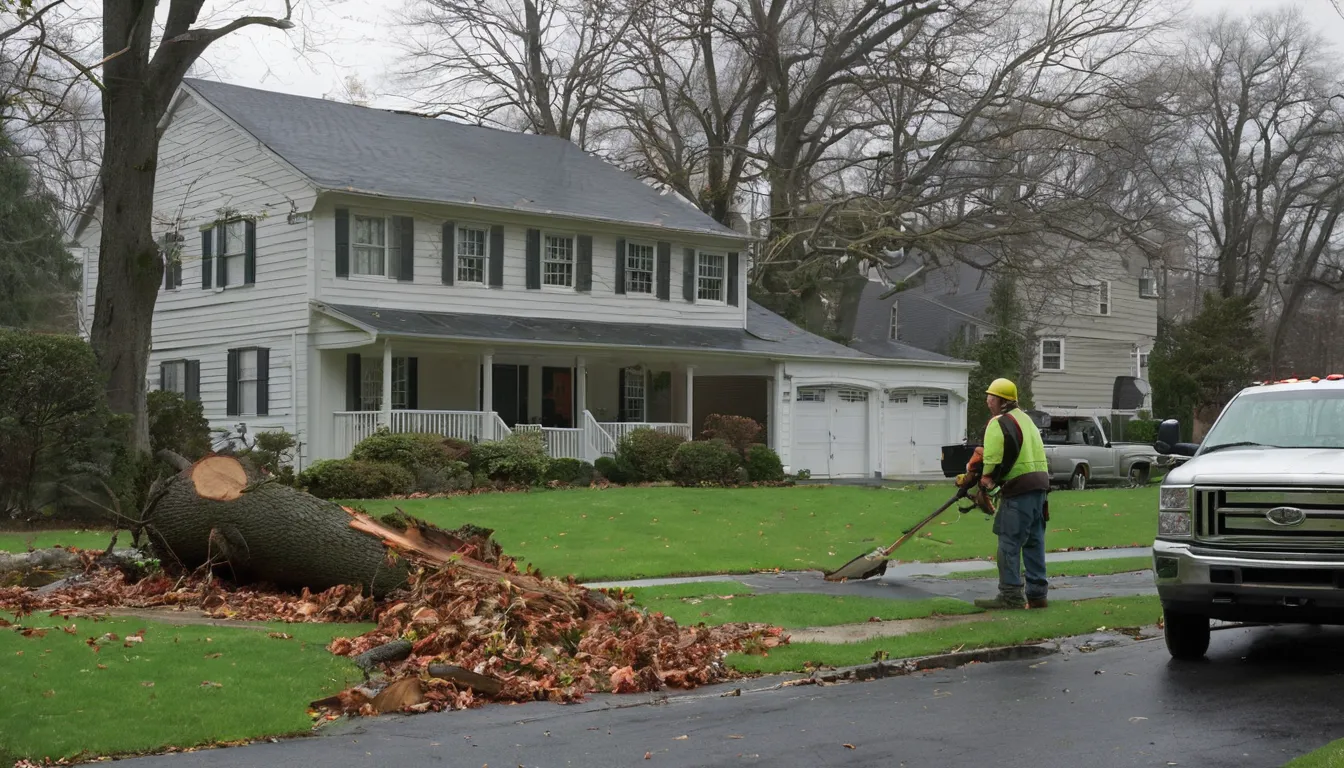
A tree that has fallen, split, or started to lean can turn a normal day upside down. Maybe it is across the driveway. Maybe it is resting on a fence, a car, or the roofline. Emergency tree removal covers these situations, and independent local providers do the work, not Globevillage Tree Service. We help you understand your options and connect you with a provider in our network.
A provider can look at the tree, explain what is safe to cut first, and describe how the job will fit around your household. Many providers can respond quickly after a storm, though availability varies by day and by how many neighbors need help. Ask about timing when you connect, and request an estimate when you are ready to compare your choices.
Take a breath. You have options, and the first step is simple: get everyone safe. After that, you can sort out who to call and what to say. Globevillage Tree Service is a referral service. We connect you with independent local providers, and they do the cutting and hauling.
What should you do in the first few minutes? Keep people and pets away from the tree. Stay out of the yard if branches are still moving or cracking. Do not climb on a fallen trunk, and do not try to cut it yourself. Wood under tension can snap back with real force.
If a line is touching the tree, treat the whole tree as live. Stay far back and keep others back too. Call your utility company and, if anyone is in danger, emergency services. A tree removal provider cannot safely start until the lines are dealt with.
Not every tree problem is a true emergency. Here is a quick way to sort it out.
If your tree does not match any of these, it may be a regular job that can be planned for the week ahead.
Good question, and it helps to know the likely steps before anyone arrives. A provider usually starts by checking for hazards: lines, weight resting on the structure, and unstable wood. Then they decide where to cut first. Often that means taking weight off the roof or fence before moving the main trunk. Smaller pieces get cut, lowered, and hauled away.
Storm tree clearance means opening up what is blocked. Think driveway, walkway, or the path to your door. Some providers do a quick clearing first, then return for the full cleanup. Ask if that is an option for you. It can help a busy household get moving again while the bigger job is scheduled.
Yes, sometimes. A tree falling service can bring down a risky tree in a controlled way, before wind does it for you. That is often easier on your yard than cleaning up after a surprise. If the soil is heaving, roots are showing, or the lean has changed, tell the provider.
Will insurance help? Some policies may cover sudden damage, such as a tree that lands on your house. Rules differ a lot, so check your policy. Providers can often help document damage for a claim. Take photos before anything moves, and keep any written quote or invoice.
After a nor'easter or a heavy summer storm, many homes in the same area need help at once. That means providers get busy. You may wait longer than you hoped, and that is normal. Ask for an honest time window, and ask what to do if conditions change. Freeze-thaw winters and wet ground can also loosen roots, so trees sometimes fail days after a storm.
Plan around your week. Tell the provider about school drop-offs, work-from-home calls, naps, and pets. Ask where the crew will park and where debris will be stacked. If a driveway is blocked, ask whether they can clear a path first. A little planning keeps disruption low.
What can you do before the next storm? Walk your yard each season. Look for dead limbs, cracks, mushrooms at the base, and branches over the roof. Older colonial and split-level homes often have mature trees close to the structure, so small checks matter. A planned trim or removal is usually calmer than a rush job.
Ask before the saw. A few simple questions save headaches later.
Say so right at the start. Providers plan these jobs more carefully, since weight on a roof can shift. They may use a crane or rigging to lower pieces gently. This is a good time to ask how they protect the roof, gutters, and lawn.
You do not need to figure it all out alone. Share what you see, ask about timing, and compare your options with a provider in our network.
Providers cut and haul trees that have come down across yards, driveways, fences, or roofs.
Blocked driveways and walkways can be opened up first so your household can get moving again.
Leaning, cracked, or split trees can be brought down in a controlled way before they fall.
Many providers also haul away debris, with details shown on the written quote.
Prices vary by tree size, access, and how risky the job is. These are typical U.S. ranges only. Always get a written quote before work begins.
| Job type | Typical range | Notes |
|---|---|---|
| Small tree or large limb down | $300 – $900 | Easy access and no damage to structures |
| Medium tree across a yard | $800 – $2,000 | Depends on size and hauling needs |
| Large tree down | $1,500 – $4,000 | Bigger trunks need more time and gear |
| Tree on a roof, fence, or car | $2,000 – $5,000+ | Rigging or crane may be needed |
| Storm tree clearance only | $300 – $1,200 | Opens a driveway or path, with cleanup later |
| Debris haul-away | $100 – $600 | Sometimes included in the quote |
Keep everyone away from the tree and any power lines, and take photos if it is safe.
Call or request an estimate and describe what you see.
Look over the written quote, timing, and cleanup details.
An independent provider clears the tree and leaves the area tidy.
Know your options and the likely order of the job before anyone picks up a saw.
You are matched with local providers who do the work themselves.
Plan around your week so the job fits your family's routine.
Request an estimate and compare. You decide whether to move ahead.
Questions about a tree on your property? Request a callback to check provider availability, or send the request form and ask for an estimate.
Get everyone out and stay clear of the tree and any wires. Call emergency services if anyone is hurt or lines are down. Take photos, then ask a provider about removal.
Some policies may cover sudden damage, like a tree that falls on your house. Coverage differs, so check your policy and ask your insurer. Providers can often help document damage for a claim with photos and a written quote.
Timing depends on the storm, the provider's schedule, and how risky the job is. Many providers can respond quickly, but availability varies. Request a callback to check provider availability, and ask for a realistic time window before you agree.
Questions about a tree on your property? Request a callback to check provider availability, or send the request form and ask for an estimate.
No obligation