How much does it cost to remove a tree?
Typical U.S. prices run from a few hundred dollars for a small tree to several thousand for a large or hard-to-reach one. Size, access, and cleanup all matter, so get a written quote before you agree.
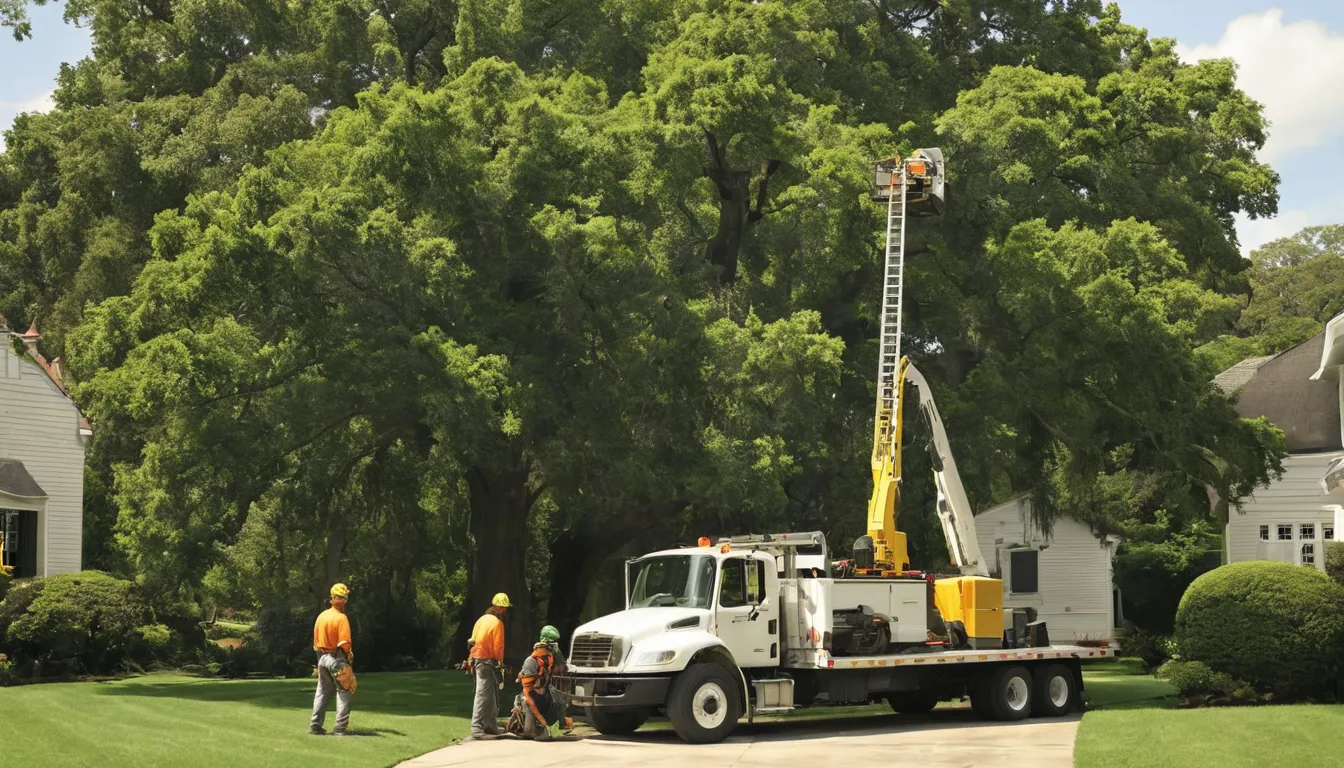
A tree that leans, drops limbs, or crowds your house can wear on your mind. You may be asking if it has to come down, what it costs, and how long it will take. Those are good questions to ask before anyone starts work.
Globevillage Tree Service is a referral service. We do not remove trees. We help you understand your choices and connect you with independent providers in our network around the College Park area. A local provider looks at the tree, explains the plan, and gives you a written quote. You decide what happens next, with no obligation, and you can plan the job around your family's week.
Start with the scary question. Is the tree leaning, split, or resting on a roof, wire, or fence? If so, keep people, pets, and cars away from it. Stay out from under it.
Then reach out to a provider. Many providers can respond quickly to dangerous trees, and availability varies. Request a callback to check provider availability in your area.
Not every tree problem looks dramatic. Some signs are quiet. Here are the ones that matter most:
If you see two or more, ask a provider to take a look.
Nor'easters and heavy summer storms can drop limbs or whole trees fast. Wet ground makes it worse. If a tree came down, do not try to cut it yourself, especially if it is tangled in power lines. Stay back and contact your utility first.
Once the area is safe, storm tree clearance is the next step. A provider can cut and move the fallen tree. Many also offer a tree falling service for a damaged tree that is still standing but unsafe. Providers can often help document damage for a claim. Some policies may cover sudden damage, so check your policy.
Safety is the big one. But it is not the only reason. People also remove trees that are:
All of these are fair reasons. Just make sure removal is the right fix first.
Not always. Ask the provider about other options before you decide. Trimming can fix a heavy limb. Cabling can support a weak split. Removing only one trunk can save the rest.
If the tree is dead, badly rotted, or leaning toward your home, removal is usually the safe choice. A good provider will tell you plainly. That is the idea behind "ask before the saw."
Think of it as three simple parts.
The provider looks at the tree, the ground, and what is nearby. They check for wires, fences, sheds, and tight access. You get a written quote.
If there is room, a tree may be cut at the base and dropped. In tight yards, crews often take it down in sections. Large or awkward trees may need a crane.
Limbs get chipped. Logs get cut up and either stacked or hauled off. Ask what is included before you agree.
Size is the first factor. Tall, wide trees cost more than small ones. Access matters too. A tree behind a fenced yard or beside a house takes more care and time.
Condition, nearby wires, cleanup, and stump work also change the number. Prices vary by job, so get a written quote that lists exactly what is covered. Quotes from two providers can help you compare.
Sometimes, yes. Some towns protect larger or older trees, especially street trees and trees in historic areas. Others have rules for trees near property lines or in wetland buffers.
Check with your local municipal office before work starts. A provider in our network may know the local rules, but you are still the one responsible for your property. If a neighbor shares the tree, talk with them early.
A friendly chat can tell you a lot. Here is what to ask:
Be careful with anyone who pushes you to sign on the spot. Independent providers set their own terms, so read everything.
Most removals take part of a day. Some big ones take longer. Tell the provider about school runs, work-from-home calls, naps, and pets. Ask for an arrival window.
If the job is not urgent, pick a quieter week. Plan around your week, not the other way around. Dry weather helps too, since soft, wet ground can make heavy equipment harder to use.
A little prep keeps things smooth:
Take a look around once the crew is done. Check that the cleanup matches your quote. Rake or ask about any leftover sawdust.
Then think about the empty spot. A stump may be left behind, and some providers can grind it. You might also plant a smaller tree in a better place. Ask about wood chips too. They make good mulch.
You do not have to figure it all out alone. Tell us a little about your tree, and we will point you toward independent local providers who can take a look.
A provider checks the tree's health, lean, and surroundings, then explains whether removal or another fix makes the most sense.
Trees come down whole or in sections, depending on space, with attention to your house, fence, and wires.
Branches are chipped and logs are cut up. Ask each provider what is included in the written quote.
You get a clear price in writing before work starts, so you can compare and decide without pressure.
Prices depend on tree size, access, condition, and cleanup. These are typical U.S. ranges only. Your quote may be higher or lower, so ask each provider for a written estimate.
| Item | Typical range | Notes |
|---|---|---|
| Small tree (under 30 ft) | $150 – $600 | Easy access keeps the price down |
| Medium tree (30–60 ft) | $500 – $1,500 | Most backyard trees fall here |
| Large tree (over 60 ft) | $1,200 – $3,500 | Height and trunk width add cost |
| Crane-assisted removal | $1,500 – $5,000 | Used when the tree is near a home |
| Storm-damaged or hazardous tree | $800 – $4,000 | Risk and rush work can raise the price |
| Wood haul-away and chipping | $75 – $400 | Sometimes included, so ask first |
Share what the tree looks like, where it stands, and whether anything feels urgent or unsafe.
We connect you with an independent local provider in our network who serves your area.
The provider looks at the tree and gives you a written quote. Compare it and ask questions.
Pick a time that suits your household. The provider completes the removal and cleanup.
We explain removal, trimming, and other choices in plain words so you can decide with confidence.
Connect with independent providers who work near you and know local weather and yards.
Ask providers about arrival windows so the job fits around school, work, and family.
Request an estimate with no obligation. You choose if and when to move forward.
Questions about a tree on your property? Request a callback to check provider availability, or send the request form and ask for an estimate.
Typical U.S. prices run from a few hundred dollars for a small tree to several thousand for a large or hard-to-reach one. Size, access, and cleanup all matter, so get a written quote before you agree.
Many jobs take a few hours to a full day. Large trees, tight yards, or crane work can take longer. Ask the provider for an arrival window and a time estimate.
It depends on where you live. Some towns protect certain trees or require approval for larger ones. Check with your local municipal office before work begins, and ask the provider what they know about local rules.
Questions about a tree on your property? Request a callback to check provider availability, or send the request form and ask for an estimate.
No obligation